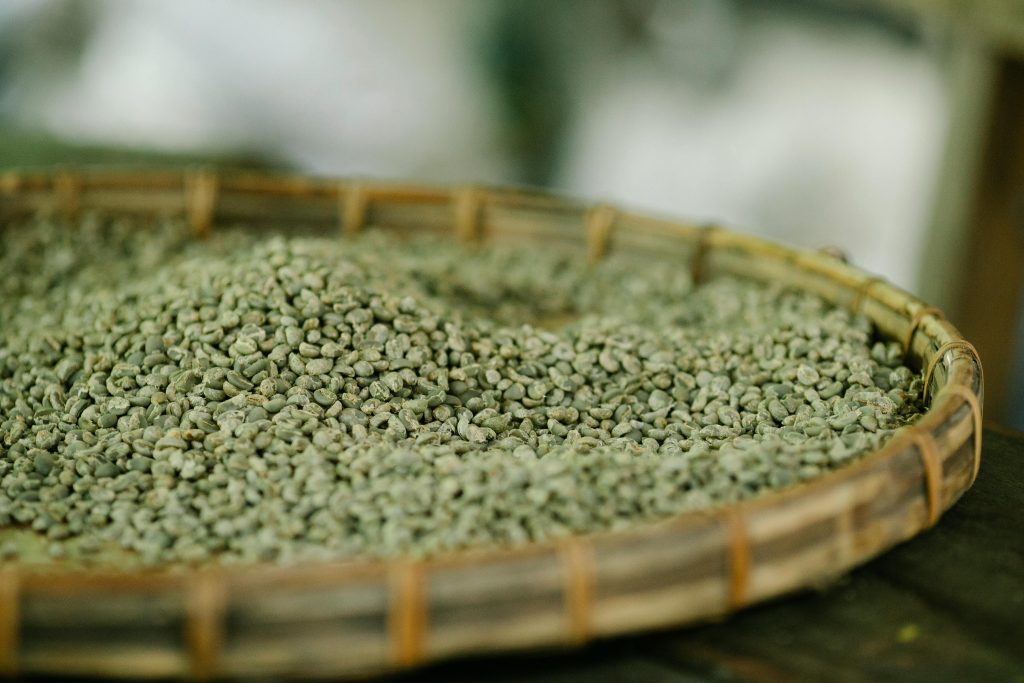
Yemeni coffee is unlike any other coffee in the world — difficult to cultivate, incredibly rare, and rich in flavor.
But how do you know if the green coffee you’re buying is truly high quality?
Whether you are a roaster in Saudi Arabia, America, Korea, or Europe, understanding how to evaluate Yemeni green coffee can save you time, money, and disappointment.
Today, we share a proven guide used by Sand Coffee’s sourcing team — along with a short story from a real inspection trip.
🌱 1. Bean Density: The Strongest Indicator of Quality
High-quality Yemeni beans are naturally dense because they grow at extreme altitudes.
To test density:
- A dense bean feels heavy for its size
- A low-density bean feels light and weak
Higher density means:
✔ Better roasting
✔ Cleaner flavor
✔ Longer shelf life
✔ Higher grade
🔍 2. Defects: The First Thing a Professional Checks
Top buyers classify defects into:
- Broken beans
- Blacks
- Sour beans
- Immature beans
- Floaters
- Foreign matter
Premium Yemeni micro-lots contain very few defects, sometimes less than 3%.
🌞 3. Drying Process: Natural, Slow, and Traditional
Because Yemeni coffee is dried on rooftops:
- Color is uniform
- Cherries dry slowly
- Sweetness increases
- Fruity notes become stronger
Fast drying = low quality
Slow drying = premium flavor
🌬 4. Aroma: The Soul of Yemeni Coffee
Before roasting, smell a handful of beans.
High-quality Yemeni green coffee has hints of:
✔ Dried fruits
✔ Honey
✔ Floral notes
✔ Chocolate
✔ Sweet berries
Cheap or poorly processed beans smell musty or dusty.
📦 5. Packaging: Proper Storage Protects Quality
Premium exports should be packed in:
- GrainPro bags inside jute bags
- Stored away from heat and humidity
- Labeled with village name, variety, and crop year
If your supplier ships in plain jute bags with no protection — quality will drop.
🏔 A Real Story: The Bag That Surprised Everyone
During an inspection trip in Al-Udayn, a Sand Coffee buyer named Faris visited a farmer who claimed:
“My beans are the cleanest in the entire valley.”
Faris was skeptical — every farmer says that.
But when the farmer opened a sack and poured the beans onto a woven mat, something unusual happened:
Not a single black bean.
Not a single broken bean.
Only perfectly shaped, dense, clean green beans.
Faris asked him:
“How did you achieve this?”
The farmer replied with a smile:
“My wife sorts them.
She says a bean with defects is like a story with mistakes.
She removes anything that ruins the flavor.”
That micro-lot later received one of the highest cupping scores of the year — and roasters from Korea and Germany competed to buy it.
☕ Why Buyers Trust Sand Coffee
Sand Coffee maintains strict quality standards:
✔ Direct sourcing from trusted farmers
✔ Hand-sorted beans
✔ Proper natural drying
✔ Clean processing
✔ Transparent documentation
✔ Reliable international shipping
This ensures roasters receive consistent, high-grade Yemeni coffee every season.